
Holistic Approach to Chronic Anxiety Relief: A Complete Guide
Table of Contents
- Understanding Chronic Anxiety Through a Holistic Lens
- Herbal Supplements for Stress and Anxiety
- Nervous System Regulation for Anxiety Management
- Lifestyle Changes for Anxiety Reduction
- Building Your Personalized Holistic Protocol
- Evidence-Based Validation and Safety
- Frequently Asked Questions
Last Updated: September 30, 2026
Understanding Chronic Anxiety Through a Holistic Lens
Chronic anxiety isn't something you simply "think away." It's a complex condition involving your nervous system, stress hormones, and deeply ingrained patterns of thought and behavior. A holistic approach to chronic anxiety relief addresses all of these dimensions simultaneously, rather than treating anxiety as a single problem with a single solution.
The most effective relief often comes when people address anxiety from multiple angles at once: combining herbal support, nervous system regulation techniques, lifestyle modifications, and personalized protocols tailored to your unique triggers.
Research suggests that layering multiple evidence-based approaches can create measurable shifts in nervous system recalibration, stress response, sleep quality, and mental clarity.
This guide covers the complete framework: safe botanicals and adaptogens, nervous system regulation through breathwork and mindfulness, high-impact lifestyle changes, and building a sustainable personalized protocol.
Herbal Supplements for Stress and Anxiety
Adaptogens: Regulating Your Stress Response
Adaptogens are botanical compounds that help your body regulate stress response without sedating you. Unlike conventional anti-anxiety medications, they support your adrenal system and help your nervous system return to baseline more efficiently after stress.
The most well-researched adaptogens for anxiety include ashwagandha, rhodiola, and eleuthero. Ashwagandha has been used in Ayurvedic medicine for centuries and is believed to work by moderating cortisol levels, your primary stress hormone. Rhodiola is often considered useful if anxiety manifests alongside fatigue or burnout, as it supports energy while simultaneously calming the nervous system. Eleuthero (Siberian ginseng) is thought to help the body adapt to physical and emotional stressors without overstimulating.
Adaptogens are often recommended to be taken consistently over time as part of a broader holistic protocol that includes lifestyle changes and nervous system regulation practices, rather than in isolation or as quick fixes.
Calming Botanicals and Safety Considerations
Valerian root, passionflower, and lemon balm have long histories of use for anxiety management, with some believed to work through different mechanisms, such as enhancing GABA signaling or having mild sedative properties, and generally reasonable safety profiles when used appropriately.
Natural doesn't mean universally safe or unlimited. Valerian root can interact with sedative medications and cause grogginess; passionflower may potentiate prescription anti-anxiety medications, requiring dose adjustments.
Before adding any herbal supplement to your regimen, check for potential interactions with medications you're currently taking. If you're on prescription anxiety medication, antidepressants, or blood pressure medication, consult a healthcare provider familiar with herbal medicine before starting supplements. The interaction risk is real.
Dr. Kate's Best provides professional-grade botanicals hand-selected based on over 30 years of holistic healthcare expertise. Quality matters, poorly sourced botanicals may contain contaminants or inconsistent active ingredient levels.
Nervous System Regulation for Anxiety Management
Breathwork and Grounding Techniques
Chronic anxiety locks your nervous system in a hyperactive sympathetic (fight-or-flight) state. Breathwork interrupts this by activating your parasympathetic nervous system through the vagus nerve.
Box breathing is highly effective: inhale for 4 counts, hold for 4, exhale for 4, hold for 4, repeat 5-10 cycles. This pattern signals your nervous system to downregulate by engaging your diaphragm and sending a "safety" message to your brain.
Grounding techniques anchor awareness in the present moment, interrupting anxious thought loops. The 5-4-3-2-1 technique is practical: identify 5 things you can see, 4 you can touch, 3 you can hear, 2 you can smell, 1 you can taste, pulling attention from future-focused worry into immediate sensory reality.
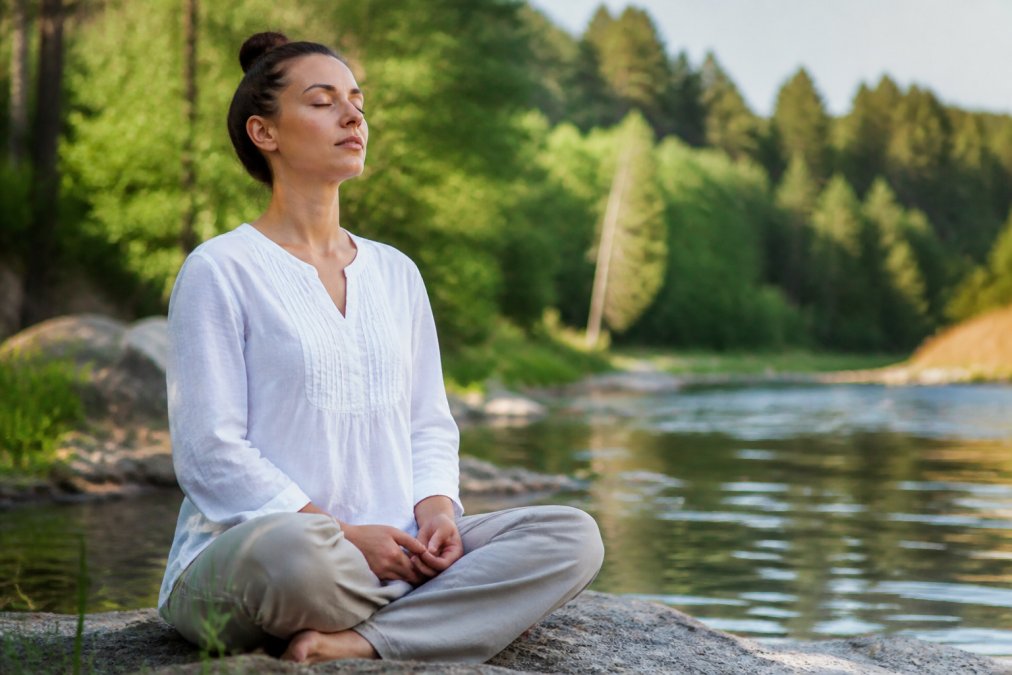
Consistent daily practice can help lower baseline anxiety and reduce nervous system reactivity.
Mindfulness and Cognitive Reframing Practices
Mindfulness meditation teaches you to observe anxious thoughts without judgment or attachment, recognizing them as thought patterns, not facts.
Cognitive reframing examines anxious thoughts: Is this based on evidence? What would I tell a friend? What's the actual probability? This weakens the automatic credibility assigned to catastrophic predictions.
Start with 10 minutes of daily meditation: sit quietly, focus on your breath, and gently return attention when your mind wanders.
Lifestyle Changes for Anxiety Reduction
Nutrition and Whole Foods for Mental Health
Your gut and brain are deeply connected through the vagus nerve and microbiome. Foods directly influence anxiety through blood sugar stability, inflammatory markers, neurotransmitter production, and microbiome composition.
Physical Activity and Sleep Optimization
Regular physical activity can help reduce baseline cortisol levels, improve sleep quality, and provide a healthy outlet for nervous system activation. Consistent moderate activity is often recommended for anxiety management.
Building Your Personalized Holistic Protocol
Assessing Your Unique Anxiety Triggers
Chronic anxiety isn't one-size-fits-all. Your anxiety might be triggered by specific situations, driven by physical exhaustion, rooted in perfectionism, or connected to past trauma. Understanding your particular pattern can be beneficial for effective treatment.
Creating a Long-Term Maintenance Strategy
A common reason people may abandon anxiety protocols is that as anxiety improves, they feel better and may stop doing the things that contributed to that improvement. Then anxiety may return, leading to confusion.
| Component | Daily Time | Frequency | Priority Level |
|---|---|---|---|
| Breathwork/grounding | 5-10 min | Daily | High |
| Physical movement | 20-30 min | Daily | High |
| Mindfulness practice | 10-15 min | Daily | High |
| Herbal support | As directed | Daily | Medium |
| Sleep hygiene | Ongoing | Nightly | High |
| Nutrition focus | Ongoing | Every meal | High |
Evidence-Based Validation and Safety
The holistic approach to chronic anxiety relief integrates multiple modalities. Research increasingly suggests that addressing anxiety can involve working with your whole system, rather than just suppressing symptoms.
Frequently Asked Questions
How can I naturally get rid of chronic anxiety using a holistic approach?
A holistic approach to chronic anxiety relief combines multiple strategies: herbal supplements for stress and anxiety (such as ashwagandha and valerian root), nervous system regulation techniques like breathwork and mindfulness meditation, lifestyle changes for anxiety reduction including diet and exercise, and adequate sleep. The key is identifying your personal anxiety triggers and building a comprehensive protocol that addresses root causes rather than just managing symptoms. Many people may see improvements with consistent practice, though individual timelines vary.
What are the most effective herbal supplements for anxiety relief?
Herbal supplements for anxiety include adaptogens like ashwagandha and rhodiola, which are believed to help regulate cortisol levels and stress response. Valerian root, passionflower, and chamomile are often used to support relaxation and sleep quality. Omega-3 fatty acids and magnesium may address nutritional gaps that contribute to anxiety. Combining herbal supplements with lifestyle interventions is often recommended. Always consult a healthcare provider before starting new supplements, especially if you take medications, as some botanicals interact with prescription drugs.
Can dietary changes significantly impact chronic anxiety?
Yes. The mind-body connection suggests your gut health can influence anxiety levels. Whole foods nutrition that supports stable blood sugar may reduce stress spikes. Reducing caffeine, processed foods, and sugar can help lower cortisol levels and nervous system activation. Adding omega-3 fatty acids, B vitamins, and magnesium-rich foods may support cognitive function and emotional regulation. Eliminating inflammatory foods can potentially reduce physical symptoms of anxiety. Many people may notice improvements when making comprehensive dietary changes, especially when combined with other holistic healing strategies.
How does nervous system regulation help with chronic anxiety?
Your nervous system controls your stress response. When dysregulated, it stays in 'fight-or-flight' mode, creating persistent anxiety. Techniques like breathwork, grounding exercises, and mindfulness meditation activate your parasympathetic nervous system, signaling safety to your body. Regular practice can help your nervous system recover faster from stress triggers. Lifestyle interventions like adequate sleep, physical activity, and reducing stimulants can support nervous system regulation. This complementary therapy approach may address anxiety at its root rather than just masking symptoms.
What should I know about safety and drug-herb interactions?
Herbal supplements can interact with prescription medications, affecting how either works. Valerian root, St. John's Wort, and certain adaptogens may interact with antidepressants, blood thinners, or sedatives. Always disclose all supplements to your healthcare provider before starting them. Look for products with transparent ingredient lists and third-party testing verification. Start with lower doses to assess your side-effect profile. Professional-grade supplements from reputable sources often undergo rigorous quality control, which can help reduce contamination risk.
How long does it typically take to see results from a holistic anxiety approach?
Timeline varies based on severity, consistency, and individual factors. Many people may notice improvements in sleep and mood with consistent use of herbal supplements and lifestyle changes. More significant shifts in anxiety levels can take time as your nervous system recalibrates. Long-term maintenance often involves ongoing practice of breathwork, mindfulness, and lifestyle modifications. Personalized protocols developed with a holistic healthcare practitioner may offer targeted support for specific triggers and root causes.
Are homeopathic remedies effective for chronic anxiety?
Evidence-based validation of homeopathic remedies for anxiety is limited compared to herbal supplements and lifestyle interventions. While some people report symptom relief, clinical studies show mixed results. Homeopathic solutions are often considered as part of a comprehensive holistic protocol rather than standalone treatment. The placebo effect and improved self-care awareness from using remedies may contribute to perceived benefits. If interested in homeopathic approaches, combining them with complementary therapies like herbal supplements, breathwork, and mindfulness may be beneficial.